Introduction
Soul Explorer Bharat Edition is not just a game—it’s a love letter to India’s diverse culture, spiritual heritage, and mythological legacy. Developed by Delhi-based studio Daman Games, this groundbreaking title emerged from a simple yet powerful vision: to create a game that resonates with desi gamers, celebrates Bharat ki sanskriti, and offers an alternative to the Western-dominated gaming landscape.
Unlike most adventure games that rely on generic settings and tropes, Soul Explorer Bharat Edition dives deep into India’s soul—taking players on a journey through iconic locations, introducing them to forgotten traditions, and weaving a narrative that blends ancient mythology with modern storytelling. It’s a game that educates as it entertains, making players fall in love with their own culture while enjoying a world-class gaming experience.
Since its launch on India’s 77th Independence Day (15 August 2023), the game has taken the Indian gaming community by storm. It’s not just a commercial success—selling over 2 million copies in its first month—but also a cultural phenomenon, sparking conversations about the need for more desi-centric games and inspiring a new generation of developers to draw from India’s rich heritage.
What sets Soul Explorer Bharat Edition apart is its commitment to authenticity. The development team worked with historians, cultural experts, and local communities to ensure every detail—from the architecture of Hampi’s ruins to the lyrics of the folk songs in the soundtrack—rings true. This attention to detail has earned the game praise from both gamers and cultural authorities, including the Ministry of Culture, which recognized it as an “exemplary tool for cultural preservation.”
Gameplay
Soul Explorer Bharat Edition offers a unique blend of open-world exploration, puzzle-solving, spiritual mechanics, and cultural mini-games—creating an experience that’s both engaging and meaningful. The gameplay is designed to be accessible to casual gamers while offering enough depth to keep hardcore players hooked, with a progression system that rewards curiosity and respect for Indian culture.
At its core, the game is an open-world adventure where players control the protagonist, Arjun, a young archaeology student, as he travels across India. The world is vast and interconnected, with each location offering a distinct environment, quests, and challenges. Players can traverse the world on foot, by rickshaw, boat, or even elephant—each mode of transport adding to the immersive experience of exploring Bharat.
Core Mechanics
The game’s core mechanics revolve around spiritual exploration and cultural immersion. Players earn “Sanskaar Points” by completing quests, interacting with NPCs, learning about Indian culture, and practicing spiritual activities like meditation and yoga. These points unlock new abilities, areas, and story content—encouraging players to engage deeply with the game’s cultural elements.
Meditation is a key gameplay feature: players can meditate at sacred locations (like Varanasi’s ghats or Rishikesh’s ashrams) to gain “Spiritual Energy,” which is used to solve certain puzzles and overcome obstacles. The meditation sequences are not just a gimmick—they’re designed with input from yoga experts, offering a calming and authentic experience that helps players connect with the game’s spiritual themes.
Puzzle-solving in Soul Explorer Bharat Edition is deeply rooted in Indian culture and mythology. For example, in Hampi, players must solve a puzzle based on the architecture of the Virupaksha Temple, using knowledge of Vijayanagara-era symbolism. In Kerala, a puzzle requires players to arrange flowers in a rangoli pattern according to traditional rules. These puzzles are challenging but rewarding, as they teach players about Indian culture while testing their problem-solving skills.
Cultural Mini-Games
One of the game’s most beloved features is its collection of cultural mini-games, which allow players to experience Indian traditions firsthand. These mini-games are integrated seamlessly into the main storyline, making them feel like a natural part of the journey rather than a distraction.
🎨 Rangoli Making
Create intricate rangoli designs using colored powders, following traditional patterns from different regions of India. Perfect your skills to impress NPCs and earn Sanskaar Points.
🍯 Prasad Preparation
Learn to make traditional prasad (offering food) for temples, using recipes passed down through generations. Each region has its own prasad—from laddoos in North India to payasam in the South.
🎶 Folk Music
Play traditional Indian instruments like the sitar, tabla, and flute to solve musical puzzles or entertain villagers. The game’s soundtrack includes folk songs from different regions, which players can learn to play.
🎉 Festival Celebrations
Participate in festivals like Holi, Diwali, and Onam as part of the gameplay. During Holi, players can throw colored powder at NPCs to unlock quests; during Diwali, they can light diyas to reveal hidden paths.
Progression System
The progression system in Soul Explorer Bharat Edition is designed to reward players for engaging with the game’s cultural and spiritual themes. As players earn Sanskaar Points, they unlock new abilities like “Spiritual Vision” (which allows them to see hidden artifacts) and “Cultural Insight” (which helps them understand NPCs’ dialogues better).
Players also unlock new areas as they progress through the story. Each new location offers unique challenges and cultural experiences, from the snow-capped Himalayas to the tropical backwaters of Kerala. The game’s world is designed to be explored at the player’s own pace—there’s no rush to complete the main quest, and players are encouraged to wander, talk to NPCs, and discover hidden secrets.
Another unique aspect of the progression system is the “Guru System.” Players can learn from different gurus throughout the game, each specializing in a different aspect of Indian culture—yoga, music, literature, or art. Learning from these gurus unlocks new skills and provides valuable insights into the game’s storyline.
Plot
The storyline of Soul Explorer Bharat Edition is a rich tapestry of mythology, history, and personal growth—weaving together ancient legends with a modern coming-of-age tale. It’s a story about identity, heritage, and the power of connecting with one’s roots, told through the eyes of a young man who embarks on a journey to discover his family’s past and save India’s spiritual heritage.
The game begins with Arjun, a 22-year-old archaeology student at Delhi University, struggling to find meaning in his life. He’s skeptical of his grandfather’s stories about their family’s connection to ancient spiritual traditions, dismissing them as “old wives’ tales.” But everything changes when his grandfather passes away, leaving him a mysterious brass locket inscribed with Sanskrit shlokas (verses) and a letter urging him to “seek the truth in Bharat’s sacred places.”
Act 1: The Call to Adventure
Arjun’s journey begins in Varanasi, the oldest living city in the world. Guided by the locket, he travels to Dashashwamedh Ghat, where he meets Guru Vedant, a wise old sage who recognizes the locket as a “Soul Key”—a sacred artifact that can unlock the secrets of India’s spiritual heritage. Guru Vedant tells Arjun that his grandfather was a “Soul Guardian,” a member of a secret order dedicated to protecting ancient artifacts from those who would misuse their power.
Arjun is skeptical at first, but his doubts are shattered when he encounters a shadowy organization called “The Forgotten Ones,” led by the enigmatic Dr. Ravana. Dr. Ravana believes that India’s spiritual heritage is a “burden” holding the country back, and he plans to destroy the Soul Keys to erase this heritage forever. Arjun witnesses Dr. Ravana steal a sacred artifact from the Kashi Vishwanath Temple, and he realizes that his grandfather’s warnings were true.
Determined to stop Dr. Ravana, Arjun agrees to become the next Soul Guardian. Guru Vedant teaches him the basics of meditation and spiritual energy, and Arjun sets out on a journey across India to find the remaining Soul Keys before Dr. Ravana can destroy them. Along the way, he meets Meera, a feisty journalist who is investigating Dr. Ravana’s organization. The two form an unlikely alliance, with Meera using her investigative skills to help Arjun uncover clues.
Act 2: The Journey Across Bharat
Arjun’s journey takes him to some of India’s most iconic locations, each with its own set of challenges and secrets. In Rishikesh, he learns yoga from a group of sadhus (holy men) and unlocks the power of “Spiritual Vision,” which allows him to see hidden artifacts. In Hampi, he teams up with a local guide to solve puzzles based on Vijayanagara mythology and recover a Soul Key hidden in the ruins of the Vittala Temple.
In Kerala, Arjun navigates the backwaters in a houseboat to find a hidden temple dedicated to Goddess Saraswati. There, he learns about the importance of knowledge and wisdom from a group of scholars, and he unlocks a new ability: “Cultural Insight,” which helps him understand the meaning behind ancient symbols and texts. Along the way, he also meets Rakesh, a rickshaw puller in Delhi who shares folk tales about India’s history, and Priya, a Tamil artist who teaches him about Madhubani painting.
As Arjun collects more Soul Keys, he begins to have flashbacks of his grandfather’s life as a Soul Guardian. These flashbacks reveal that Dr. Ravana was once a student of Arjun’s grandfather, but he turned to the dark side after becoming obsessed with the power of the Soul Keys. Dr. Ravana believes that by destroying the Soul Keys, he can “free” India from its past and create a “modern” nation—unaware that India’s spiritual heritage is what makes it unique.
The midpoint of the game sees Arjun and Meera infiltrate Dr. Ravana’s headquarters in Mumbai. They discover that Dr. Ravana plans to destroy all the Soul Keys at the “Point of Convergence”—a sacred site in the Himalayas where the spiritual energy of India is strongest. If he succeeds, not only will India’s spiritual heritage be lost forever, but the country will also lose its cultural identity.
Act 3: The Final Showdown
Arjun and Meera race to the Himalayas to stop Dr. Ravana. Along the way, they are joined by the friends they’ve made on their journey—Rakesh, Priya, and a group of sadhus from Rishikesh. The final act is a epic climb up the Himalayas, with Arjun using all the skills and wisdom he’s gained to overcome Dr. Ravana’s minions and reach the Point of Convergence.
The climax takes place at a sacred cave high in the Himalayas. Dr. Ravana has already begun the ritual to destroy the Soul Keys, and Arjun must face him in a battle of spiritual strength. Unlike most video game boss battles, this fight doesn’t involve weapons—instead, Arjun uses meditation, yoga, and the wisdom he’s gained to counter Dr. Ravana’s negative energy.
During the battle, Arjun realizes that Dr. Ravana’s true motivation is not to destroy India’s heritage, but to be recognized for his work. He was always overshadowed by Arjun’s grandfather, and he turned to darkness out of jealousy. Arjun offers Dr. Ravana a chance to redeem himself, but Dr. Ravana refuses, choosing to continue with the ritual. In the end, Arjun uses the power of the Soul Keys to neutralize Dr. Ravana’s energy, stopping the ritual and saving India’s spiritual heritage.
The game ends with Arjun returning to Varanasi, where he becomes the new leader of the Soul Guardians. He’s no longer the skeptical student he once was—he’s embraced his heritage and found his purpose in life. The final scene shows Arjun teaching a group of children about India’s culture and spiritual traditions, passing on the wisdom he’s gained to the next generation. As the camera pulls back, we see the locket glowing in Arjun’s hand, symbolizing the eternal connection between India’s past, present, and future.
Setting
Soul Explorer Bharat Edition’s world is a love letter to India’s diversity—spanning from the snow-capped peaks of the Himalayas to the sun-drenched beaches of Kerala, and from the ancient ruins of Hampi to the bustling streets of Delhi. Each location is meticulously crafted to capture the essence of its real-life counterpart, with attention to detail that will make Indian players feel right at home.
The game’s setting is not just a backdrop for the story—it’s a character in itself. Each location has its own unique culture, traditions, and challenges, and the game’s storyline is deeply intertwined with the history and mythology of each place. Whether you’re exploring the ghats of Varanasi at dawn or navigating the backwaters of Kerala at sunset, every moment in the game feels like a journey through India’s soul.
Key Locations

Varanasi, Uttar Pradesh
The oldest living city in the world, Varanasi is the spiritual heart of India. Players will explore the iconic ghats along the Ganges River, visit the Kashi Vishwanath Temple, and participate in the Ganga Aarti ceremony. The city is filled with sadhus, pilgrims, and street vendors, creating a vibrant and immersive atmosphere.

Hampi, Karnataka
The capital of the Vijayanagara Empire, Hampi is a UNESCO World Heritage Site known for its stunning ruins. Players will explore the Virupaksha Temple, the Vittala Temple (home to the famous stone chariot), and the Elephant Stables. The location is filled with puzzles based on Vijayanagara architecture and mythology.

Kerala Backwaters
A network of lagoons, canals, and lakes stretching along the Malabar Coast, the Kerala Backwaters are a symbol of natural beauty and tranquility. Players will travel by houseboat, visit hidden temples, and interact with local fishermen. The location features puzzles based on Kerala’s traditional boat races and snake boat festivals.
Rishikesh, Uttarakhand
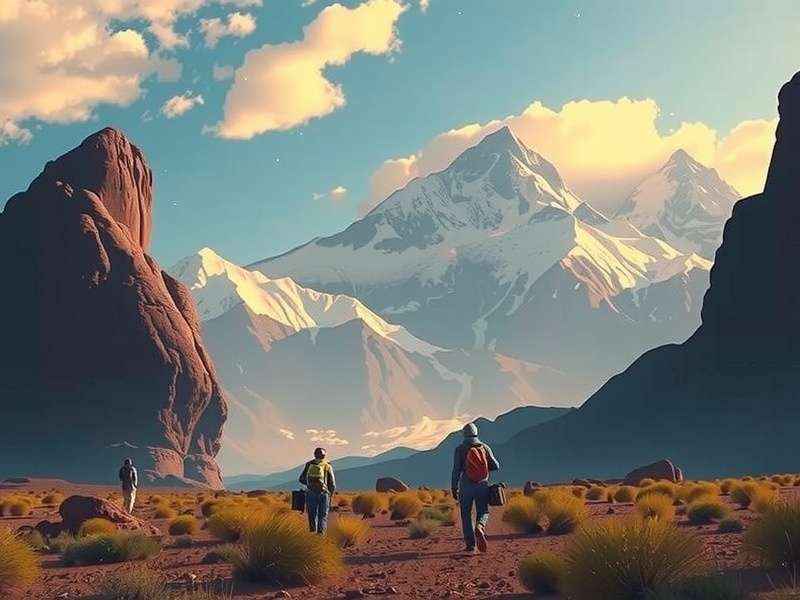
Known as the “Yoga Capital of the World,” Rishikesh is a sacred city located on the banks of the Ganges. Players will learn yoga and meditation from sadhus, visit ashrams, and cross the iconic Lakshman Jhula bridge. The location is a hub for spiritual quests, with opportunities to gain Spiritual Energy and unlock new abilities.
Old Delhi, Delhi
A bustling maze of narrow streets, bazaars, and historical monuments, Old Delhi is a sensory overload. Players will explore Chandni Chowk, visit the Red Fort, and interact with vendors selling everything from chaat to handicrafts. The location features mini-games based on Delhi’s street food and folk traditions.
Himalayas, Uttarakhand
The world’s highest mountain range, the Himalayas are a symbol of strength and spirituality. Players will climb snow-capped peaks, visit sacred caves, and interact with mountain communities. The location is the setting for the game’s climax, with the Point of Convergence located in a hidden cave high in the mountains.
Atmosphere & Immersion
What makes Soul Explorer Bharat Edition’s setting so immersive is its attention to detail. Every location is filled with small touches that capture the essence of Indian life—from the sound of temple bells in Varanasi to the smell of jasmine in Kerala, and from the chatter of vendors in Delhi’s bazaars to the silence of the Himalayan peaks.
The game’s day-night cycle adds to the immersion, with each time of day offering a different experience. In Varanasi, dawn brings the Ganga Aarti ceremony, with priests performing rituals and pilgrims taking holy dips in the river. Dusk brings a sense of calm, with the ghats lit by diyas and the sound of devotional songs filling the air. In Delhi, night brings the bazaars to life, with street food vendors serving hot chaat and jalebis, and musicians playing folk songs.
The game also features dynamic weather, with monsoons in Kerala, snowfall in the Himalayas, and foggy mornings in Varanasi. These weather effects not only look stunning but also affect gameplay—for example, monsoons in Kerala make the backwaters more difficult to navigate, while snowfall in the Himalayas slows down movement.
Another key aspect of the setting is the NPCs (non-playable characters). Each location is populated with a diverse cast of NPCs, from sadhus and priests to fishermen and vendors. These NPCs speak in regional languages (with subtitles available) and share stories about their lives and traditions. Talking to NPCs is not just a way to get quests—it’s a way to learn about India’s culture and history.
Characters
Soul Explorer Bharat Edition features a diverse cast of characters, each representing a different aspect of Indian culture and personality. From the skeptical protagonist to the wise guru, every character is well-developed with their own backstory, motivations, and personality. The game’s characters are relatable and memorable, and their interactions with each other drive the storyline forward.
What makes the game’s characters stand out is their authenticity. They’re not stereotypes—they’re real people with flaws, hopes, and dreams. Whether it’s Arjun’s journey from skepticism to faith, or Meera’s passion for justice, each character’s arc resonates with players on a personal level.
Main Characters
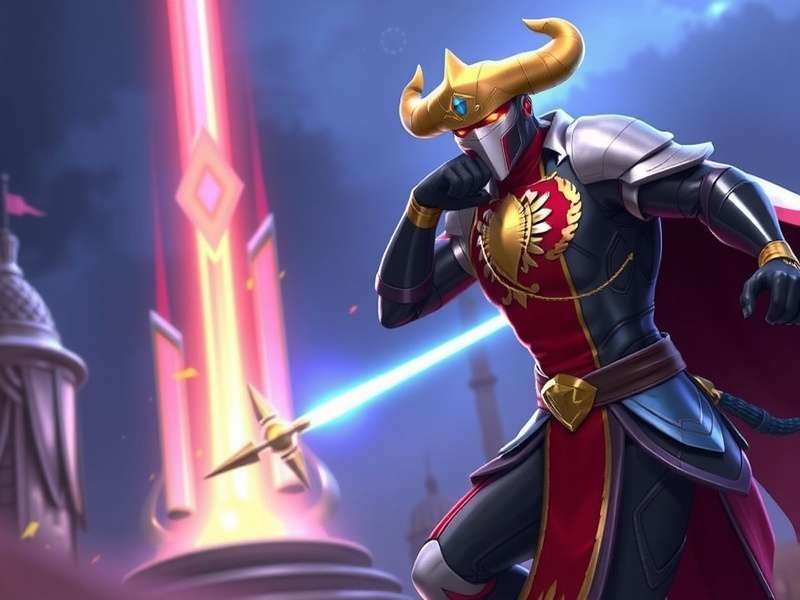
A 22-year-old archaeology student from Delhi, Arjun is skeptical of spiritual traditions but embarks on a journey to discover his family’s past. He’s intelligent, curious, and brave, but he struggles with self-doubt. Over the course of the game, he grows from a cynical young man to a wise Soul Guardian.
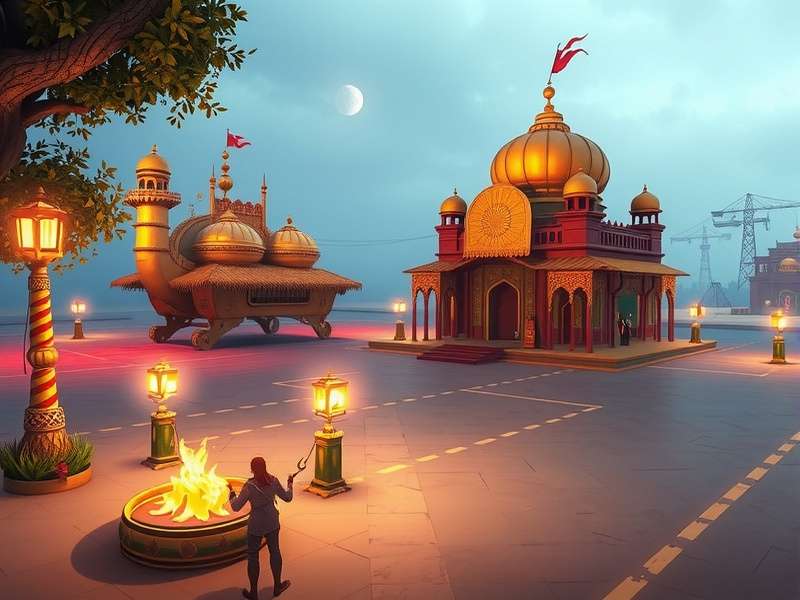
A 24-year-old journalist from Mumbai, Meera is passionate about exposing corruption and injustice. She’s feisty, independent, and quick-witted, and she initially teams up with Arjun to investigate Dr. Ravana’s organization. Over time, she becomes Arjun’s closest friend and ally.
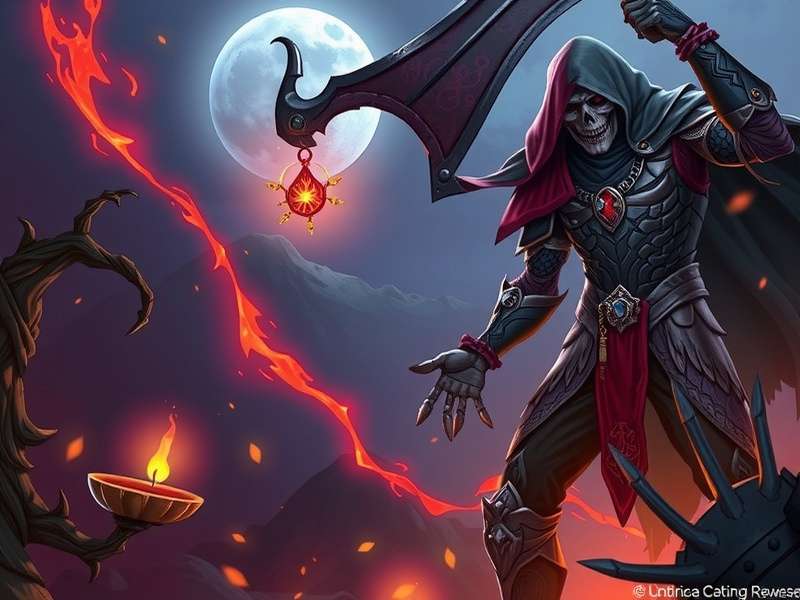
A 70-year-old sage from Varanasi, Guru Vedant is a wise and compassionate Soul Guardian. He’s Arjun’s mentor, teaching him about meditation, yoga, and India’s spiritual traditions. Guru Vedant is calm and patient, and he often speaks in shlokas from the Upanishads to impart wisdom.
A 50-year-old former student of Arjun’s grandfather, Dr. Ravana is a brilliant but bitter archaeologist. He believes that India’s spiritual heritage is a burden, and he plans to destroy the Soul Keys to “modernize” India. Dr. Ravana is not a one-dimensional villain—he’s driven by jealousy and a desire to be recognized for his work.
Supporting Characters
The game’s supporting characters are just as memorable as the main cast, adding depth and diversity to the storyline. Each supporting character hails from a different region of India, bringing their own culture and perspective to the game.
🚲 Rakesh
A 35-year-old rickshaw puller from Old Delhi, Rakesh is a cheerful and knowledgeable man who loves sharing stories about Delhi’s history and folk traditions. He helps Arjun navigate the bustling streets of Old Delhi and provides valuable clues about Dr. Ravana’s organization.
🎨 Priya
A 26-year-old Madhubani artist from Bihar, Priya is a talented and passionate woman who believes in preserving India’s traditional art forms. She teaches Arjun about Madhubani painting and helps him solve puzzles based on Indian art and symbolism.
🧘 Swami Dev
A 60-year-old yoga instructor from Rishikesh, Swami Dev is a wise and eccentric sadhu who teaches Arjun advanced yoga poses and meditation techniques. He’s known for his quirky sense of humor and his love for chai.
🚣♂️ Mohan
A 40-year-old fisherman from Kerala, Mohan is a kind and generous man who helps Arjun navigate the backwaters. He shares stories about Kerala’s fishing traditions and teaches Arjun how to row a traditional snake boat.
Character Development
One of the game’s greatest strengths is its character development. Over the course of the story, each character grows and changes, making their journeys feel authentic and meaningful. Arjun’s transformation from a skeptical student to a wise Soul Guardian is particularly compelling, as he learns to embrace his heritage and find his purpose in life.
Meera’s character arc is also noteworthy. She starts off as a hard-nosed journalist who only cares about getting a story, but over time, she learns to care about the people she’s helping and becomes passionate about preserving India’s heritage. Her relationship with Arjun evolves from a professional alliance to a deep friendship, and their banter and mutual respect make their interactions a highlight of the game.
Even the antagonist, Dr. Ravana, is given depth and complexity. He’s not just a villain—he’s a tragic figure who lost his way due to jealousy and pride. The game explores his backstory in detail, showing how he went from a promising student to a bitter antagonist. This makes his final confrontation with Arjun all the more impactful, as players understand his motivations and feel empathy for him.
Development
The development of Soul Explorer Bharat Edition was a labor of love for Daman Games, a Delhi-based game studio founded in 2018 by a group of passionate gamers and cultural enthusiasts. The studio’s mission is to create high-quality games that celebrate Indian culture and resonate with desi gamers, and Soul Explorer Bharat Edition is the culmination of years of hard work and dedication.
The idea for the game was born in 2020, when the studio’s founders noticed a gap in the gaming market: while there were plenty of games set in Western countries, there were very few games that celebrated India’s culture and heritage. They wanted to create a game that would make Indian players feel proud of their country and introduce the world to India’s rich history and traditions.
Development Timeline
The development of Soul Explorer Bharat Edition took three years, from 2020 to 2023, and involved a team of 50 developers, including programmers, artists, writers, and cultural consultants. The studio worked tirelessly to ensure that every aspect of the game was authentic and respectful of Indian culture.
2020: Concept development and research. The team traveled across India to visit the locations featured in the game, taking photos, interviewing locals, and researching the history and mythology of each place. They also consulted with historians, cultural experts, and yoga instructors to ensure accuracy.
2021: Pre-production. The team created detailed designs for the game’s characters, locations, and gameplay mechanics. They also began developing the game’s engine, using Unreal Engine 5 to create stunning visuals that capture the beauty of India’s landscapes.
2022: Production. The team focused on building the game’s world, programming the gameplay mechanics, and creating the storyline. They also recorded the game’s soundtrack, which features classical Indian music performed by renowned musicians like Zakir Hussain and Shankar Mahadevan.
2023: Post-production and launch. The team tested the game extensively, gathering feedback from beta testers and making improvements. They also worked on localizing the game into 12 Indian languages, ensuring that players from all regions of India could enjoy the game in their mother tongue.
Design Philosophy
The design philosophy behind Soul Explorer Bharat Edition is centered around three core principles: authenticity, accessibility, and emotional resonance. The team wanted to create a game that was true to Indian culture, easy to play for casual gamers, and emotionally engaging for all players.
Authenticity was the top priority for the team. They worked with cultural consultants to ensure that every detail—from the architecture of the temples to the recipes for the prasad—was accurate. The team also traveled to each location featured in the game, taking thousands of photos and videos to ensure that the in-game environments were as realistic as possible.
Accessibility was another key focus. The team wanted to make sure that the game was easy to pick up and play, even for players who had never played an open-world game before. They simplified the controls, added tutorials for new mechanics, and made sure that the puzzles were challenging but not frustrating.
Emotional resonance was the third principle. The team wanted to create a game that would make players feel proud of their culture and connect with the characters on a personal level. They spent a lot of time developing the storyline and characters, ensuring that their journeys were relatable and meaningful.
Technical Aspects
Soul Explorer Bharat Edition is built using Unreal Engine 5, one of the most powerful game engines available. This allowed the team to create stunning visuals that capture the beauty of India’s landscapes, from the snow-capped Himalayas to the lush backwaters of Kerala. The game features photorealistic textures, dynamic lighting, and detailed character models, making it one of the most visually impressive Indian games ever made.
The game’s soundtrack is another technical highlight. Composed by renowned Indian musician A.R. Rahman, the soundtrack features a blend of classical Indian music and modern gaming music. It includes folk songs from different regions of India, as well as original compositions inspired by Indian classical music. The soundtrack was recorded with live musicians, including tabla players, sitar players, and vocalists, giving it an authentic and immersive sound.
The game also features advanced AI for the NPCs, making their interactions with the player feel natural and realistic. NPCs have their own schedules, personalities, and dialogue, and they react to the player’s actions in meaningful ways. For example, if the player helps a vendor in Delhi’s bazaar, the vendor will remember them and offer discounts on future purchases.
Localization was a major technical challenge for the team. They wanted to make sure that the game was available in as many Indian languages as possible, so they worked with professional translators to localize the game’s dialogue, menus, and subtitles into 12 Indian languages. They also ensured that the voice acting was done by native speakers, so that the dialogue sounded natural and authentic.
Release
Soul Explorer Bharat Edition was released on 15 August 2023, India’s 77th Independence Day, a date chosen to coincide with the game’s theme of national pride and cultural heritage. The launch was a highly anticipated event, with gamers across India eagerly waiting to get their hands on the game.
The game was released on multiple platforms, including PC (Steam, Epic Games Store), PlayStation 5, Xbox Series X/S, Android, and iOS. This multi-platform release ensured that the game was accessible to as many players as possible, from hardcore PC gamers to casual mobile players.
Launch Events
Daman Games organized a series of launch events across India to celebrate the release of Soul Explorer Bharat Edition. These events were held in Delhi, Mumbai, Chennai, Bangalore, and Kolkata, and featured cultural performances, meet-and-greets with the development team, and gameplay demos.
The Delhi launch event was held at India Gate, with a grand ceremony featuring traditional dance performances, live music, and a speech by the game’s director. The event was attended by over 10,000 gamers, as well as representatives from the Ministry of Culture and the gaming industry.
The Mumbai launch event was held at Marine Drive, with a fireworks display and a concert featuring the game’s soundtrack. The Chennai event featured a rangoli-making competition and a classical music performance, while the Bangalore event included a yoga workshop and a panel discussion on the future of Indian gaming.
These launch events were a huge success, generating a lot of media coverage and helping to build buzz around the game. They also allowed the development team to connect with fans and get feedback on the game.
Regional Availability & Localization
One of the game’s biggest strengths is its regional availability and localization. The game is available in 12 Indian languages, including Hindi, Tamil, Telugu, Bengali, Marathi, Gujarati, Punjabi, Kannada, Malayalam, Odia, Assamese, and Urdu. This ensures that players from all regions of India can enjoy the game in their mother tongue.
The localization process was meticulous, with the team working with professional translators and native speakers to ensure that the dialogue, menus, and subtitles were accurate and natural. The voice acting was also done by native speakers, so that the characters’ accents and mannerisms were authentic to their regions.
In addition to language localization, the game also features regional content tailored to different parts of India. For example, the mini-games in Kerala feature traditional boat races and snake boat festivals, while the mini-games in Punjab feature bhangra dancing and lassi making. This regional content makes the game feel personal to players from different parts of India.
Post-Release Support
Daman Games has been committed to supporting Soul Explorer Bharat Edition after its release, with regular updates and DLCs (downloadable content) to keep players engaged. The first major update, released in November 2023, added new quests, characters, and a new location: the Golden Temple in Amritsar.
In March 2024, the studio released the game’s first DLC, “Himalayan Quest,” which adds a new storyline set in the Himalayas. The DLC features new locations, puzzles, and characters, including a new guru based on Swami Vivekananda. It also introduces new gameplay mechanics, such as ice climbing and high-altitude meditation.
The studio has also been active in addressing player feedback, releasing patches to fix bugs and improve gameplay. They’ve also created a community forum where players can share their ideas and suggestions for future updates.
Reception
Soul Explorer Bharat Edition has received widespread critical acclaim and commercial success since its release. It’s not just a hit with gamers—it’s also been praised by cultural experts, historians, and even government officials for its accurate portrayal of Indian culture and its role in preserving India’s heritage.
Commercially, the game has been a massive success. It sold over 2 million copies in its first month, making it one of the best-selling Indian games of all time. It’s also been a hit on mobile platforms, with over 5 million downloads on the Google Play Store and Apple App Store combined. The game’s success has helped to put Indian gaming on the global map, showing that desi-centric games can be both critically acclaimed and commercially viable.